Planning a Plant Relocation? How Millwright Services Keep Your Production Line on Schedule
Quick Answer:
A plant relocation moves an entire production line — machinery, piping, controls, and support equipment — from one facility to another while protecting alignment tolerances and minimizing the time the line sits idle.
Millwright services handle the technical core of that move: pre-move planning and documentation, rigging and dismantling, transport oversight, reinstallation, and precision alignment. A single production line relocation typically runs anywhere from a few days to several weeks, depending on how many machines are involved, how complex the utility tie-ins are, and how much prep work happens before the old line goes down. The projects that stay on schedule are almost always the ones where millwright, electrical, mechanical, and concrete work get planned together from day one instead of handed off between separate contractors mid-project.
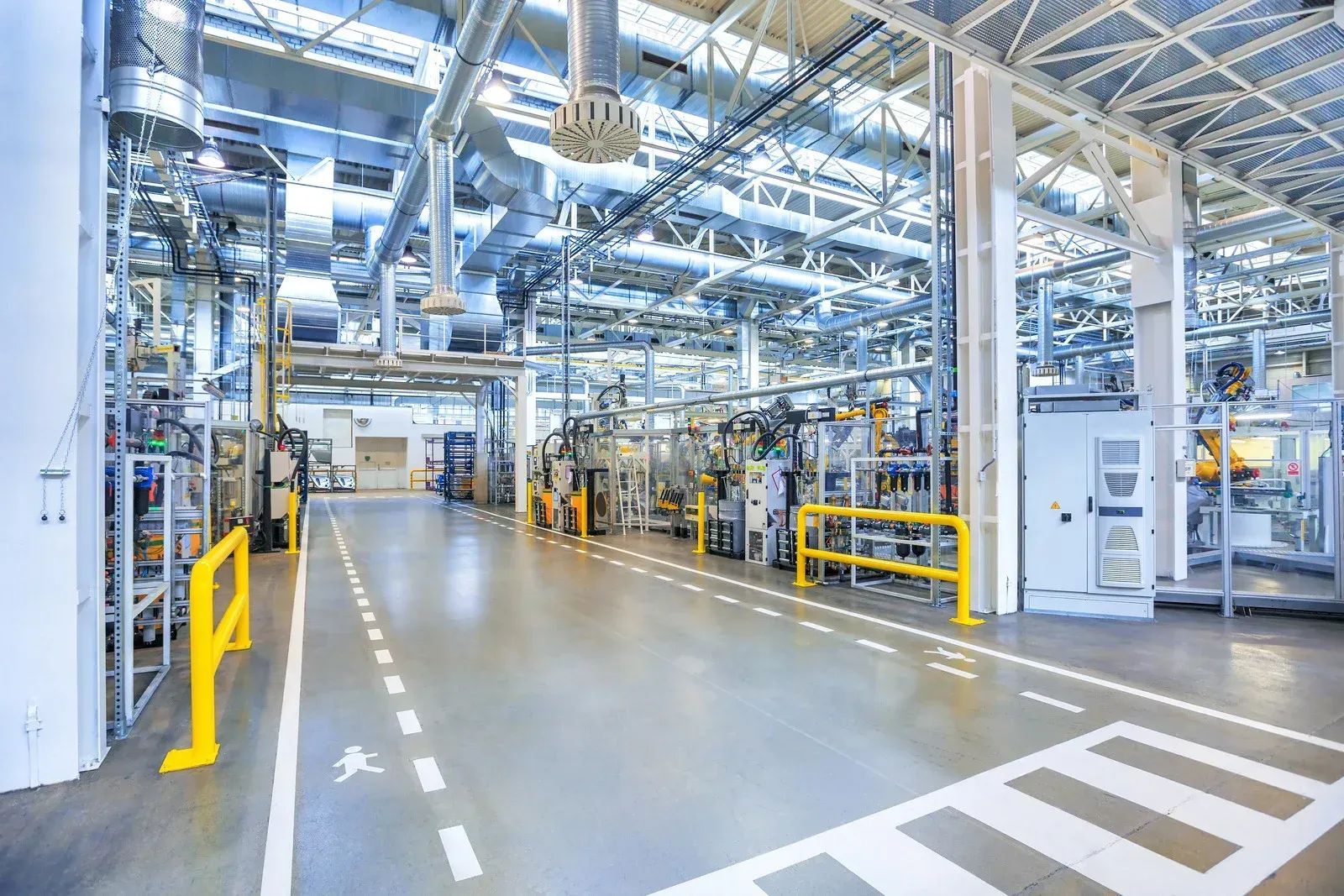
You don't move a production line the way you'd move office furniture. Every motor, conveyor, press, and control panel on your floor has a footprint, a set of utility connections, and an alignment tolerance that took years of running production to settle into. Pick it up carelessly and you don't just risk damage in transit — you risk setting it back down slightly out of true, which shows up months later as premature bearing wear, vibration, or a part that no longer holds tolerance. That gap between "arrived intact" and "runs the way it did before" is where millwright expertise earns its keep.
Maybe your lease is ending. Maybe a new building is finally coming online, or you're consolidating two facilities into one. Whatever triggered the move, the mechanics are the same: get the line down, get it moved, and get it running again with as little disruption to output as your schedule allows.
What a Production Line Relocation Actually Involves
Moving a plant is rarely one job. It's several coordinated jobs happening in sequence and, where possible, in parallel.
Documentation before disassembly
Before a single bolt comes loose, every connection point, cable run, and mounting reference gets logged. Baseline alignment readings are captured so the equipment can be set back to the same tolerances — or better — at the new site. Skip this step and you're the one paying for it later: without a record of how things were connected, reassembly turns into guesswork.
Rigging and dismantling
Heavy equipment gets broken down into sections that can be lifted, loaded, and transported safely. Load paths, lifting points, and center-of-gravity calculations matter here. A poorly planned lift can rack a frame or damage a component that was otherwise fine. Cranes, hoists, and forklifts get matched to the load, not chosen for convenience.
Transport and staging
Once your equipment is on the truck, it needs a clear path to its final position at the new facility. Staging matters more than most people expect — a machine set down in the wrong sequence can end up blocking access for the next piece that needs to go in first.
Reinstallation and utility tie-in
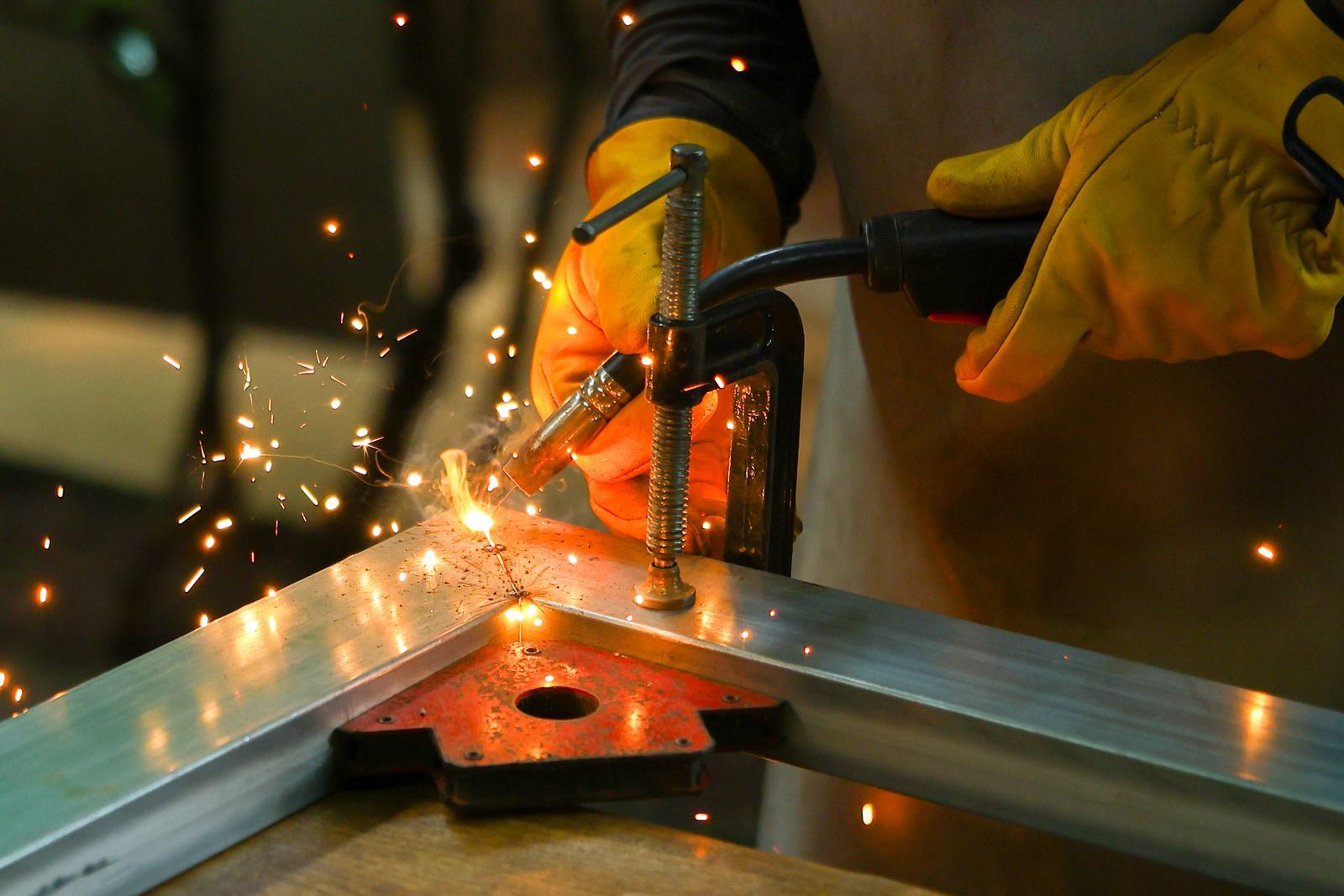
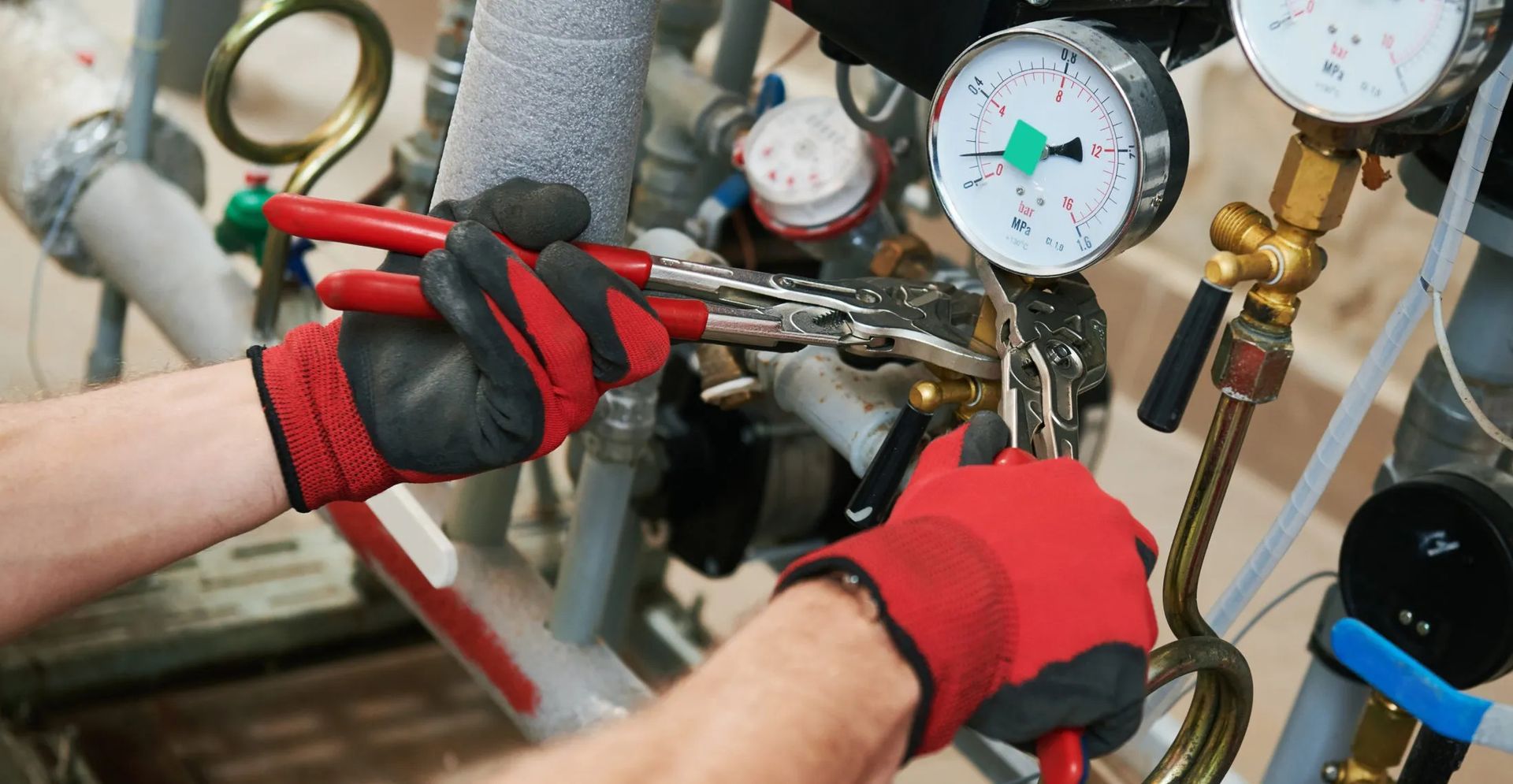
This is where mechanical, electrical, and structural work converge. A machine isn't finished being installed once it's bolted to the floor. It still needs power, controls, compressed air or process piping, and in many cases a properly cured concrete pad underneath it before anyone can level and align it.
Precision alignment and startup
The last step is the one that decides whether the move actually worked. Laser alignment tools set shafts, couplings, and drive components back to tight tolerances, and the equipment runs through a startup sequence before it goes back into full production.
Why Alignment Decides Whether the Move Was Worth It
A machine can survive the trip without a scratch and still come out of a relocation worse than it went in, if the alignment work gets rushed. Shaft misalignment raises friction and vibration at the coupling, which drives up energy draw and speeds up wear on bearings and seals. Industry data on motor-driven equipment ties alignment quality directly to both energy consumption and how long a machine runs between failures. A machine that's slightly out of true doesn't fail immediately — it just fails sooner than it should have.
Laser alignment versus straightedge methods
Older alignment methods lean on straightedges, dial indicators, and a fair amount of trial and error. Laser alignment systems read shaft position continuously and display correction values in real time, which cuts alignment time and improves accuracy. That matters most on a relocation, where dozens of machines may need to be reset in a compressed window.
Baseline comparison
The readings taken before disassembly become the benchmark for the new install. Reproducing those tolerances — or tightening them where the original setup had already started drifting — is what separates a relocation that restores performance from one that just restores footprint.
TIP: Ask for documented alignment tolerance readings, not just a "the machine is running fine" confirmation, before you sign off on the relocation as complete. Before-and-after numbers give your maintenance team a real baseline to track wear against going forward.
Common Pitfalls That Extend Downtime
Even well-funded relocations run long when a few predictable mistakes creep in.
Underestimating utility disconnection time
Disconnecting piping, conduit, and controls that have been in place for years often takes longer than taking apart the machine itself, especially on older equipment where documentation is incomplete.
Skipping a dry run on tight clearances
Map out doorways, columns, and ramps at the new facility before moving day. Don't find out a machine won't fit through a doorway when it's already halfway through it.
Rushing the pad cure schedule
Set heavy equipment on concrete that hasn't reached adequate strength and you risk settling — which shows up later as alignment drift that no amount of laser calibration can permanently fix until the slab itself gets addressed.
Corrosion exposure during staging
In the humid Gulf South, equipment staged outdoors or in an unconditioned space between disassembly and reinstall picks up moisture fast. Bare metal surfaces and precision components can start corroding within days. Protective coatings and covered, climate-controlled staging matter more here than they do in drier regions.
WARNING: Relocations planned during hurricane season carry real scheduling risk for coastal and southern Mississippi facilities. A storm delay that hits mid-move — after equipment is disassembled but before it's reinstalled — can leave critical machinery exposed and out of service far longer than a relocation timed around the season would.
Building a Relocation Timeline That Protects Production
Start with a phased sequence, not a single cutover
Where the layout allows it, move non-critical equipment first and validate the new utility connections before your primary production line goes down. That reduces the odds of a schedule-ending surprise on the machines that matter most.
Overlap old and new where space permits
If square footage allows equipment to be installed and tested at the new site before the old line gets decommissioned, the actual production gap can shrink from weeks to days.
Build in inspection windows
Plan for a formal inspection after reinstallation — checking alignment, verifying utility connections, running the equipment through a load test — before you declare the relocation complete and let the crew demobilize.
Match crew size to the schedule, not the other way around
Tight relocation windows get met by scaling up rigging, millwright, and trade crews for the move itself. They don't get met by trying to compress the alignment and cure times the technical steps actually require. That part isn't negotiable.
Frequently Asked Questions
How long does a typical production line relocation take?
Timelines vary widely based on the number of machines, the complexity of utility tie-ins, and how much prep work can happen before the old line comes down. A single-machine relocation with simple utility connections can be done in a matter of days, while a full production line with dozens of interconnected machines, new foundations, and electrical work typically runs several weeks from disassembly through validated startup.
Can a plant relocation happen without shutting down the entire facility?
In many cases, yes. Phased relocations that move and validate equipment in sections — rather than taking the whole facility offline at once — are common when floor space and utility capacity allow it. The tradeoff is a longer overall project timeline in exchange for a much shorter production gap on any single line.
What's the difference between a millwright and a rigger during a relocation?
Riggers specialize in the safe lifting, loading, and transport of heavy equipment, working primarily with cranes, hoists, and load calculations. Millwrights handle the broader scope — disassembly, reinstallation, and precision alignment — and often oversee the rigging work as part of a larger relocation plan. On many projects, the same crew covers both functions.
How much advance notice should we give before a plant relocation?
Enough lead time to document existing equipment, plan utility tie-ins at the new site, and schedule any foundation or electrical work ahead of the physical move. For a multi-machine relocation involving new concrete pads or a significant electrical capacity change, several weeks of planning before the physical move begins is typical. Concrete cure time and electrical permitting simply can't be compressed.
Will my equipment need to be realigned after it's moved to a new location?
Yes. Even equipment transported carefully needs to be releveled and realigned once it's set on its new foundation, because floor flatness, pad conditions, and connected equipment positions are never identical between two facilities. Skipping this step is one of the most common causes of post-relocation performance problems.
Do millwright crews coordinate directly with electricians and other trades during a move?
On projects where one contracting team manages all trades, yes. The sequencing gets planned together from the start, so mechanical installation, concrete work, and electrical tie-in happen in the right order instead of waiting on each other. When trades are subcontracted separately, that coordination falls to the facility or a general contractor instead.
Get a Relocation Plan Built Around Your Schedule
A plant relocation gets judged less by whether the equipment survived the trip and more by whether it runs the same way — or better — once it starts back up. The technical steps are well understood at this point: document before you disassemble, rig and transport with the load path planned in advance, reinstall onto a foundation that's actually ready to bear the weight, and finish with alignment tolerances that match or beat what the machine had before it moved. What separates a relocation that hits its schedule from one that drags almost always comes down to coordination between trades, not the difficulty of any single step. Get that part right, and the rest tends to follow.
Scope your production line move before the schedule gets set in stone — request a consultation with U.S. Contractors Inc. Our millwright, electrical, mechanical, and concrete crews bring Several
years of experience to planning relocations as one coordinated project, from pre-move documentation through final alignment and startup, so equipment tie-ins don't sit waiting on a separate subcontractor's calendar. As a licensed and insured, multi-discipline industrial contractor serving Hattiesburg, Mississippi, we build relocation timelines around your production schedule, not the other way around. Reach out to walk through your facility's layout and get a realistic plan for the move.