What Does a Millwright Do? Key Skills and Responsibilities Explained
Modern industry runs on precision. From power generation facilities and manufacturing plants to food processing units and refineries, heavy machinery forms the backbone of production. Behind the scenes, skilled professionals ensure that this equipment is installed accurately, aligned correctly, and maintained to operate at peak performance. Among these specialists, millwrights play a critical yet often underappreciated role. Their expertise directly influences productivity, safety, and operational efficiency across multiple sectors.
Understanding what a millwright does is essential for business owners, plant managers, and aspiring tradespeople alike. A single misalignment in industrial equipment can result in costly downtime, safety hazards, and reduced output. Millwrights are trained to prevent such issues through technical precision, mechanical knowledge, and strict adherence to safety standards. Their responsibilities extend far beyond basic installation—they troubleshoot, repair, calibrate, and optimize complex mechanical systems. As industries evolve with automation and advanced machinery, the role of a millwright has become even more specialized and valuable. This article explains the key skills, responsibilities, and professional standards that define this trade and why millwrights remain indispensable in modern industrial operations.
What Is a Millwright?
Definition and Core Purpose
A millwright is a highly skilled tradesperson who installs, maintains, repairs, and dismantles industrial machinery. The term originated in the era of water-powered mills, where craftsmen built and maintained milling equipment. Today, the profession spans manufacturing plants, construction sites, power facilities, mining operations, and fabrication environments.
The core purpose of a millwright is to ensure that heavy machinery functions safely, efficiently, and accurately. Unlike general mechanics, millwrights specialize in precision alignment, equipment assembly, and mechanical system integration. They often work with turbines, conveyors, compressors, pumps, gearboxes, and production line equipment.
Industries That Rely on Millwrights
Millwright services are critical in industries such as:
- Manufacturing and fabrication
- Oil and gas
- Power generation
- Food and beverage processing
- Mining and materials handling
- Aerospace and automotive production
For example, when a new automated packaging line is installed in a manufacturing plant, millwrights are responsible for positioning, leveling, anchoring, and aligning the machinery according to strict engineering specifications. Without this expertise, equipment performance and safety would be compromised.
Key Responsibilities of a Millwright
1. Machinery Installation and Assembly
One of the primary responsibilities of a millwright is installing industrial equipment. This involves interpreting technical blueprints, schematics, and manufacturer specifications to assemble complex machinery.
Installation requires:
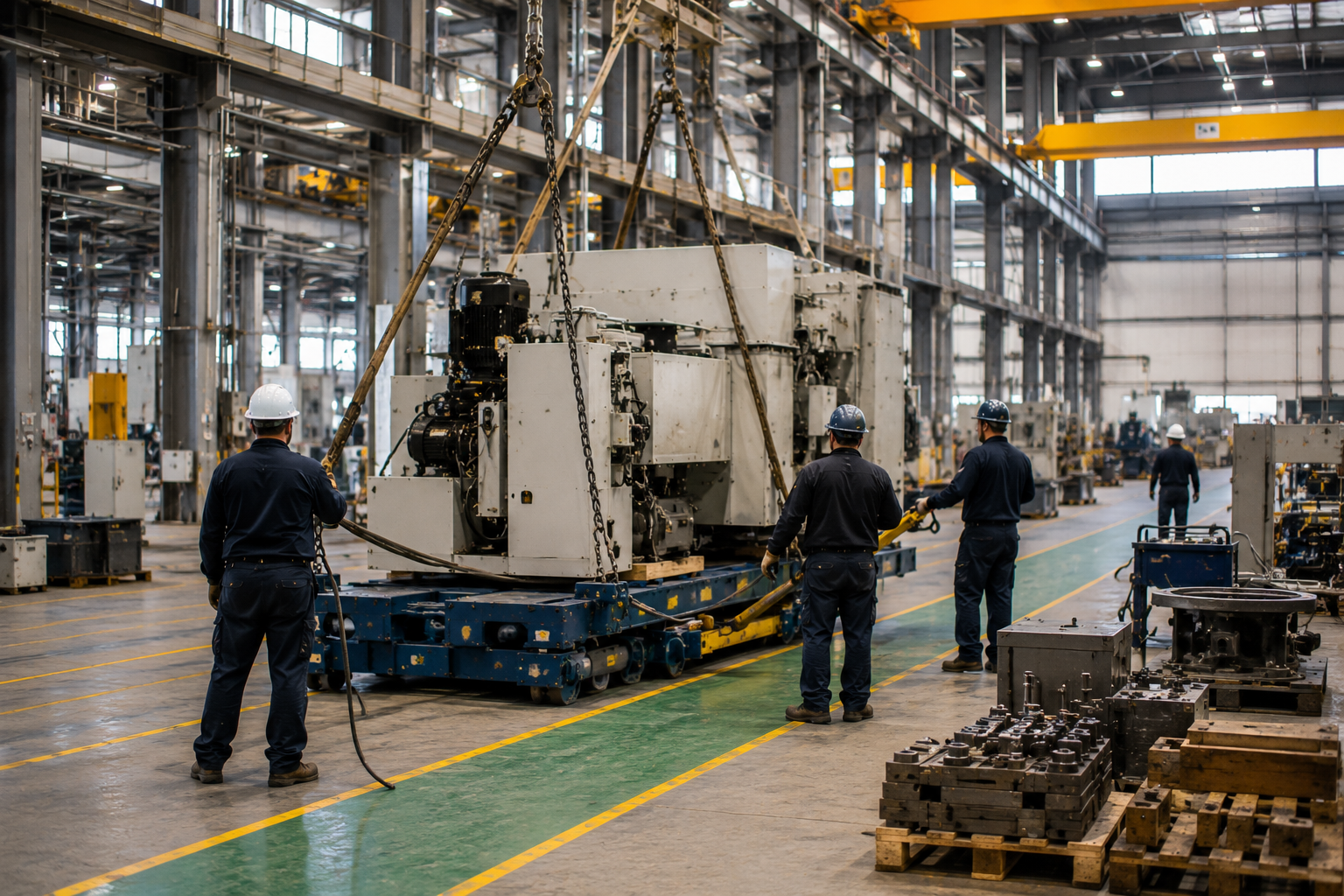
- Rigging and lifting heavy components
- Precision leveling and anchoring
- Shaft alignment and coupling
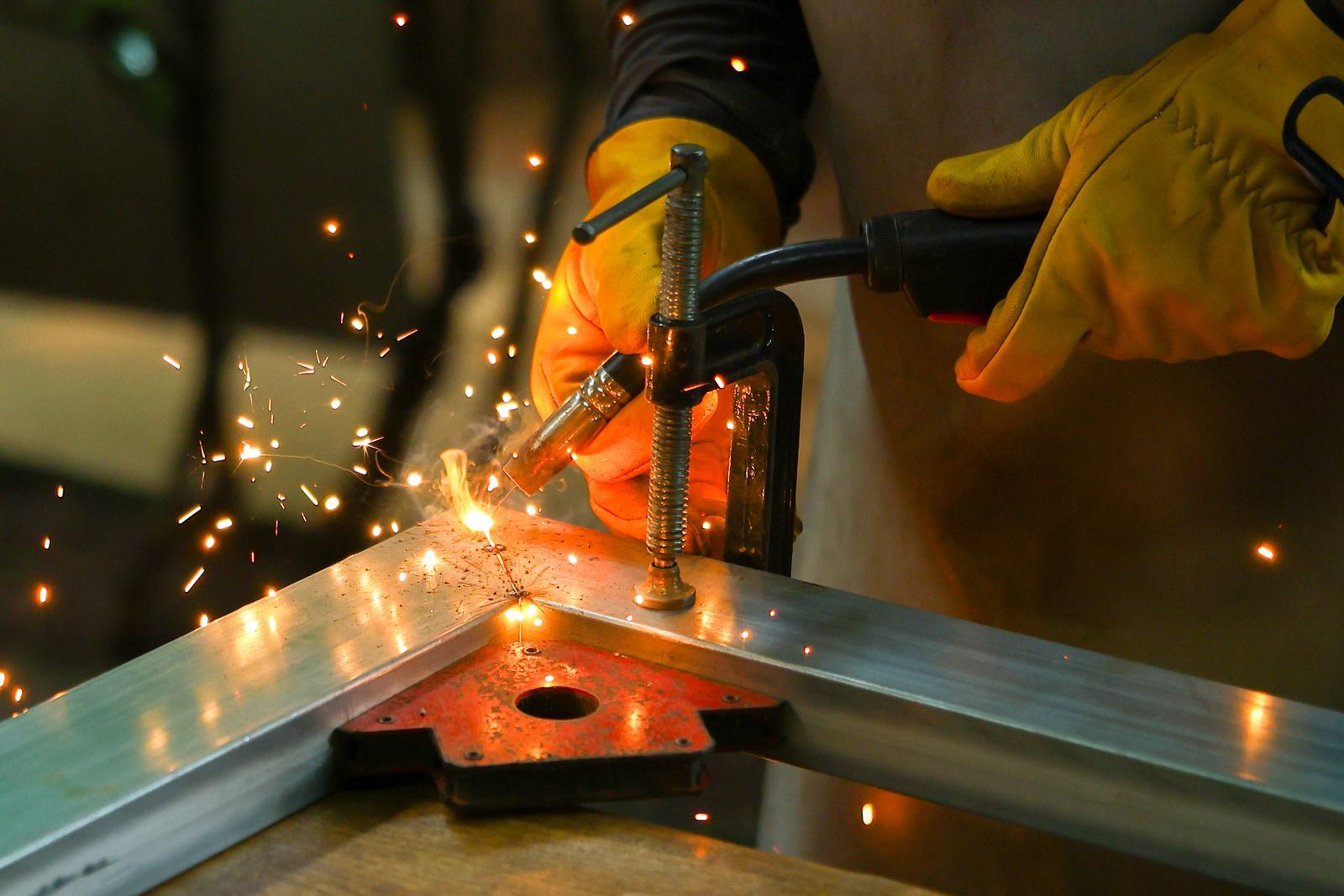
- Mechanical fitting and bolting
A real-world scenario illustrates the importance of this role. Consider a new industrial press being installed in a metal fabrication facility. If the machine is not aligned within acceptable tolerances, vibration may increase, bearings may fail prematurely, and product quality may suffer. A millwright ensures precise alignment to prevent such costly consequences.
2. Maintenance and Preventive Care
Millwrights play a major role in preventive maintenance. They inspect equipment, replace worn components, lubricate moving parts, and identify early signs of failure.
Preventive maintenance reduces:
- Unexpected downtime
- Repair costs
- Safety incidents
- Production delays
For example, routine vibration analysis on rotating equipment can reveal imbalance or misalignment before catastrophic failure occurs. By addressing issues early, millwrights protect both equipment longevity and operational continuity.
3. Troubleshooting and Repair
When machinery fails, millwrights are often the first responders. They diagnose mechanical problems by analyzing symptoms such as unusual noise, overheating, vibration, or reduced performance.
Effective troubleshooting requires:
- Analytical thinking
- Knowledge of mechanical systems
- Familiarity with hydraulics and pneumatics
- Ability to read diagnostic reports
Repair work may involve replacing bearings, repairing gear assemblies, adjusting drive systems, or recalibrating components. Their ability to restore equipment quickly directly impacts production timelines.
Essential Skills Every Millwright Must Have
Technical and Mechanical Expertise
Millwrights must have deep knowledge of mechanical systems, including power transmission, rotating equipment, and structural assembly. Precision tools such as dial indicators, laser alignment systems, torque wrenches, and micrometers are part of their daily workflow.
Understanding mechanical tolerances and alignment principles is critical. Even minor deviations can cause significant operational inefficiencies.
Blueprint and Schematic Interpretation
Reading technical drawings is fundamental to the profession. Millwrights interpret detailed schematics to understand equipment layout, mechanical connections, and installation specifications.
Misreading a blueprint can lead to improper assembly, costly delays, or safety hazards. Therefore, attention to detail and spatial reasoning are essential skills.
Safety Compliance and Risk Awareness
Working around heavy machinery presents inherent risks. Millwrights must adhere to safety standards, including lockout/tagout procedures, confined space regulations, and fall protection requirements.
Strong safety awareness protects not only the worker but also the entire facility. Companies rely on experienced millwrights to maintain compliance and reduce liability.
Problem-Solving and Adaptability
Industrial environments are dynamic. Unexpected challenges—such as component mismatches, structural obstacles, or equipment modifications—require quick thinking.
A skilled millwright evaluates the situation, consults technical data, and develops safe, effective solutions without compromising precision.
Tools and Technologies Used in Modern Millwright Work
Precision Alignment Technology
Traditional alignment methods are increasingly supplemented by laser alignment systems. These tools provide accurate readings that reduce vibration and extend machinery lifespan across demanding industrial environments and high-speed production systems.
Laser alignment benefits include:
- Faster setup resulting in minimized production downtime during installations
- Higher accuracy compared to traditional dial indicator alignment methods
- Reduced wear and tear on bearings, couplings, and rotating components
- Improved energy efficiency through optimal shaft positioning and balance
By using precision alignment tools, millwrights ensure that rotating equipment operates within manufacturer-specified tolerances, preventing long-term mechanical failures and costly operational disruptions.
Rigging and Heavy Lifting Equipment
Millwrights frequently handle large, heavy components requiring careful planning and controlled execution. They use cranes, hoists, slings, and forklifts to position machinery safely within tight industrial spaces and structurally constrained environments.
Proper rigging techniques prevent equipment damage and workplace injuries while maintaining compliance with strict safety regulations and industry standards. Knowledge of load calculations, center-of-gravity positioning, and weight distribution is essential for safe, efficient machinery relocation and installation.
Effective rigging practices reduce risk exposure, protect valuable equipment investments, and ensure precise placement during mechanical assembly and installation phases.
Digital Diagnostics and Automation Systems
As industries adopt automation, millwrights must understand integrated mechanical-electrical systems that power modern manufacturing facilities and automated production lines. While electricians and engineers handle electrical programming and system logic, millwrights ensure mechanical components align seamlessly with automated controls and sensor-driven mechanisms.
Modern production lines rely on synchronized mechanical systems operating under strict tolerances and programmed sequencing. Precision installation ensures sensors, motors, drives, and gear assemblies operate cohesively without vibration, misalignment, or performance inconsistencies.
A strong understanding of automation-compatible mechanical systems enables millwrights to support Industry 4.0 initiatives and advanced manufacturing technologies.
Challenges and Best Practices in Millwright Work
Common Challenges
Millwrights face demanding work conditions, including tight deadlines, physically demanding tasks, and complex mechanical systems requiring precision under pressure. Equipment may be located in confined spaces, elevated platforms, or high-temperature industrial environments that require additional safety measures.
Additional challenges include:
- Working during plant shutdowns with limited timeframes and strict restart schedules
- Meeting strict tolerances often measured within thousandths of an inch
- Coordinating with multiple trades including electricians, welders, and engineers
- Managing safety risks in hazardous, high-noise industrial environments
Despite these obstacles, experienced professionals rely on structured planning, detailed checklists, disciplined execution, and continuous safety awareness to maintain performance standards and prevent costly setbacks.
Best Practices for High-Quality Millwright Services
Thorough Pre-Installation Planning
Careful review of engineering drawings, equipment specifications, and site conditions prevents errors, delays, and misalignment issues during final installation phases.
Precision Measurement Verification
Double-checking alignments, torque specifications, and mechanical tolerances ensures long-term reliability, reduced vibration levels, and optimized equipment lifespan.
Preventive Maintenance Scheduling
Routine inspections, lubrication programs, and vibration monitoring reduce emergency breakdowns and extend machinery performance across operating cycles.
Continuous Skill Development
Staying updated with modern alignment tools, safety regulations, and emerging industrial technologies strengthens expertise and enhances overall service quality.
Applying these best practices ensures consistent mechanical performance, minimized downtime, and measurable improvements in operational productivity.
The Business Impact of Skilled Millwrights
Organizations that invest in skilled millwright services experience:
- Reduced downtime through proactive maintenance and precise installation practices
- Increased production efficiency from optimized mechanical system alignment and calibration
- Lower maintenance costs due to early detection of mechanical issues
- Improved workplace safety by reducing equipment-related operational hazards
In high-output environments, even minor improvements in alignment, calibration, and preventive maintenance strategies can result in substantial financial savings, enhanced equipment longevity, and long-term operational reliability across industrial facilities.
Professional Mechanical Experts Ensuring Performance Reliability
U.S. Contractors Inc. is a trusted fabricator based in Hattiesburg, Mississippi, with Severalyears of hands-on industry experience supporting complex industrial projects. The company understands that precision, reliability, and safety are non-negotiable when it comes to heavy machinery installation and mechanical systems. By combining fabrication expertise with deep operational knowledge, U.S. Contractors Inc. delivers solutions that align with modern industrial demands.
With a strong commitment to craftsmanship and technical accuracy, the team emphasizes proper alignment, structural integrity, and durable fabrication standards that directly support millwright operations. Their approach reflects an understanding of how mechanical precision impacts overall production efficiency. From supporting plant upgrades to assisting with equipment installations, U.S. Contractors Inc. maintains a professional, detail-driven process built on quality assurance and compliance.
Businesses seeking dependable fabrication support benefit from their practical experience and dedication to excellence. By focusing on long-term performance rather than short-term fixes, U.S. Contractors Inc.
positions itself as a reliable authority in industrial services, reinforcing the value of skilled millwright work and precision-driven fabrication in today’s competitive industrial landscape.