Choosing the Right Metal Fabrication Partner for Your Industrial Projects
Selecting the right metal fabrication partner can define the success of an industrial project. Industrial operations often rely on precision-engineered components, structural assemblies, and customized metal solutions. Choosing a partner with the expertise to deliver quality work on time and within budget is not just a matter of convenience—it is a critical business decision. Metal fabrication plays a foundational role across industries, from construction and manufacturing to energy and transportation, making the selection of a reliable partner essential for operational efficiency and long-term project sustainability. A well-chosen partner not only meets technical requirements but also contributes insights into material selection, process optimization, and cost-effective solutions, creating a significant competitive advantage for any industrial project.
Industrial projects demand accuracy, durability, and compliance with strict engineering standards. Working with an experienced fabricator ensures that every metal component meets specifications, tolerances, and safety requirements. Misaligned fabrication or delays in production can result in cost overruns, project delays, and compromised structural integrity. By understanding the qualities of a dependable metal fabrication partner, industrial managers, engineers, and procurement professionals can make informed decisions that reduce risk and enhance productivity. Furthermore, strategic partnerships with skilled fabricators foster innovation, streamline workflow, and facilitate seamless coordination between design, engineering, and production teams, ensuring that complex projects are executed efficiently and reliably.
Understanding Metal Fabrication Capabilities
Core Services Offered
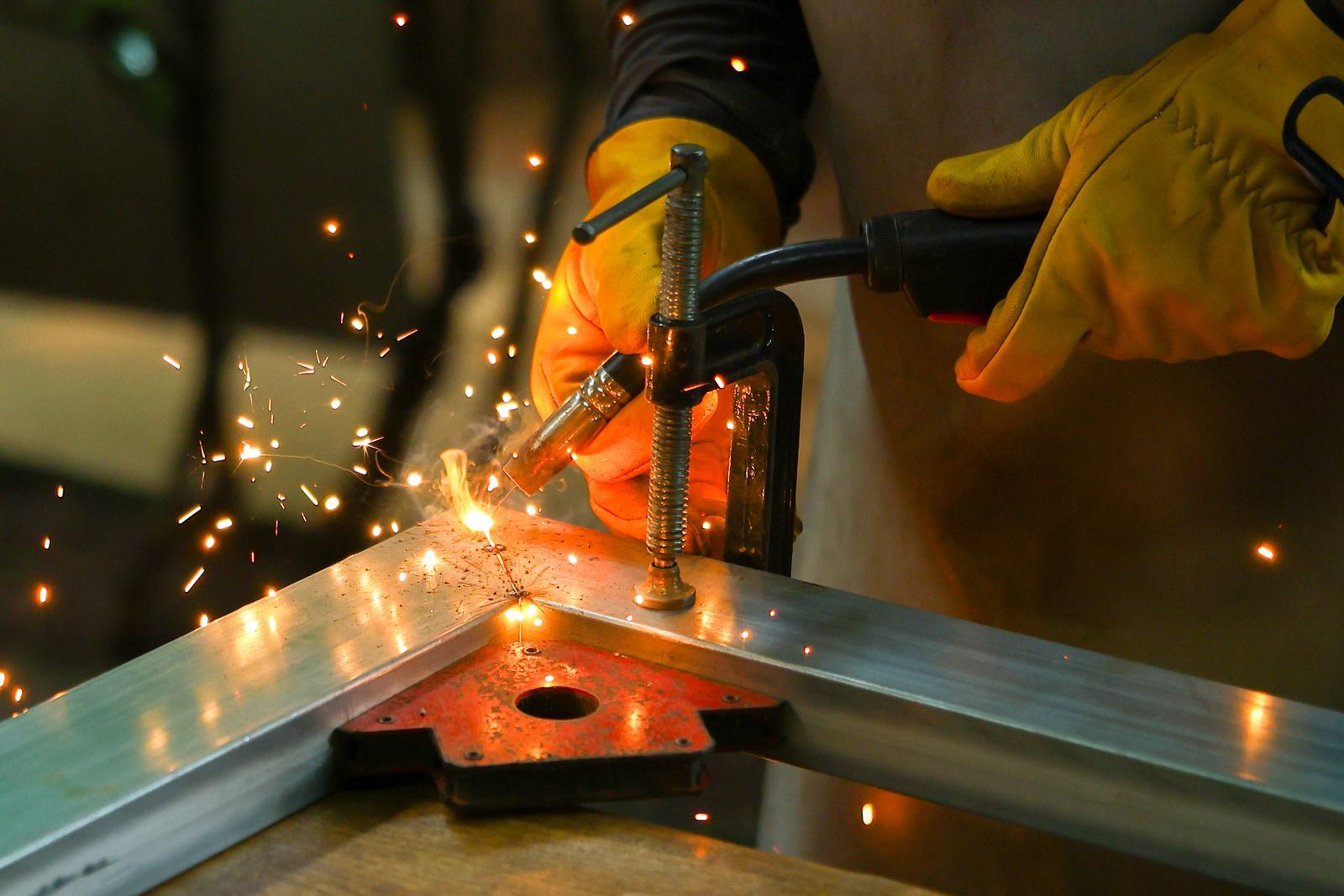
Metal fabrication encompasses a wide range of processes, including cutting, bending, welding, punching, and finishing. Each project may require one or more of these services, depending on complexity and material specifications. Evaluating a fabrication partner’s core capabilities ensures compatibility with project requirements. For example, projects that require tight tolerances or intricate designs benefit from precision laser cutting and automated CNC machining. Meanwhile, structural steel assemblies may rely on advanced welding techniques, including MIG, TIG, or robotic welding, to guarantee strength and compliance with engineering standards.
Material Expertise
Metals vary significantly in composition, strength, and workability. A fabrication partner with experience in multiple materials—including stainless steel, aluminum, carbon steel, and specialty alloys—can handle diverse project demands. Knowledge of material properties ensures components perform reliably under stress, temperature fluctuations, or corrosive environments. For instance, choosing the correct stainless steel grade for chemical processing equipment can prevent corrosion and extend the lifespan of critical components.
Equipment and Technology
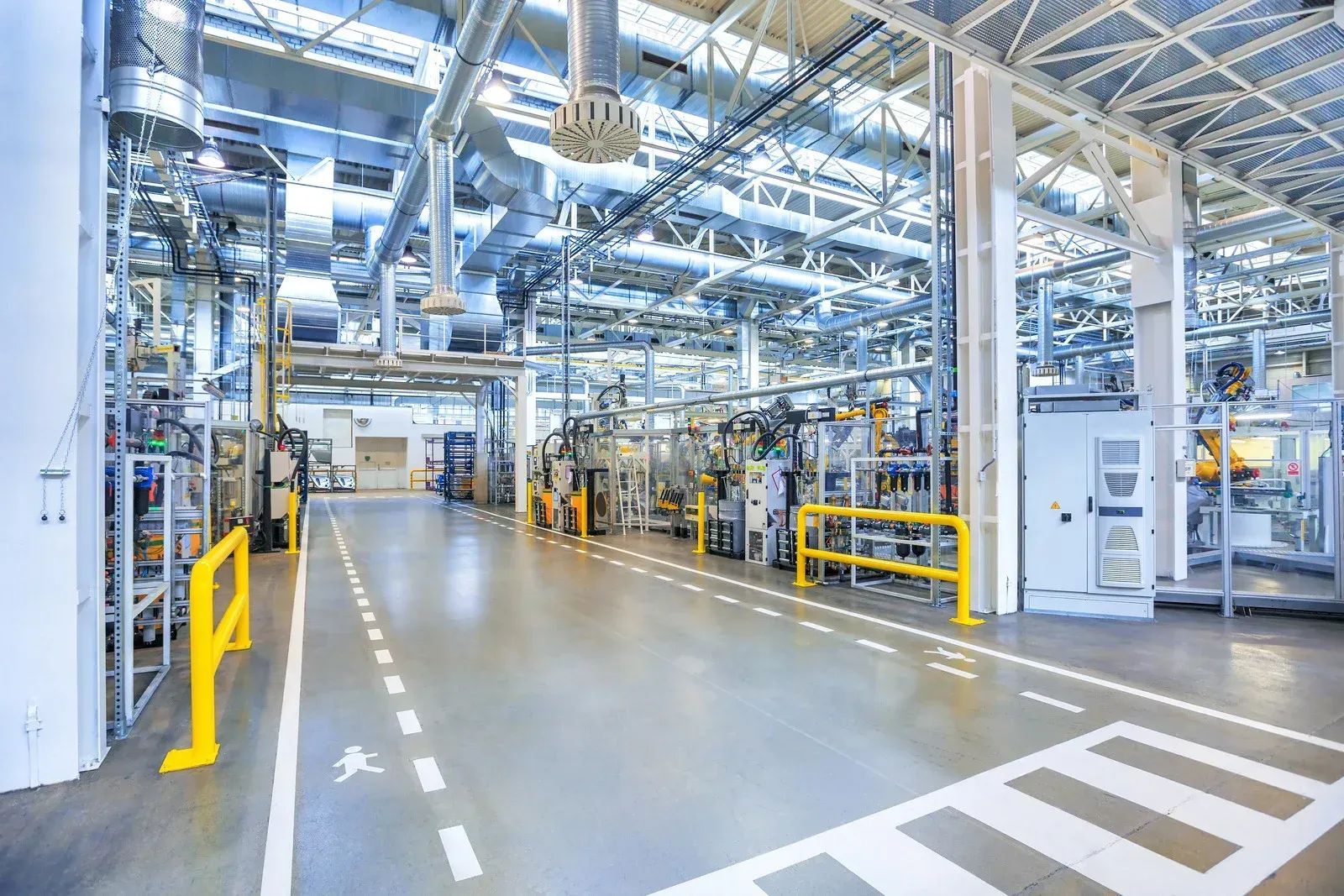
Modern fabrication demands state-of-the-art equipment to achieve precision, efficiency, and scalability. Evaluate whether a potential partner uses CNC machinery, automated welding systems, press brakes, plasma cutters, and finishing equipment. Advanced technology enables faster production, repeatable quality, and flexibility for both prototyping and large-scale manufacturing. Fabricators with integrated design and fabrication software also streamline workflow, reducing errors and enhancing project communication.
Assessing Quality and Compliance Standards
Certifications and Industry Standards
Certifications demonstrate a commitment to quality and adherence to industry regulations. Look for ISO 9001 certification, ASME compliance, or AWS (American Welding Society) standards, depending on project type. These certifications validate that processes, materials, and workmanship meet recognized quality benchmarks. Working with a certified fabricator minimizes the risk of defects and ensures that fabricated components meet safety and regulatory requirements.
Inspection and Quality Control
Robust quality control practices are vital in preventing errors that could compromise safety or functionality. A strong fabrication partner implements multiple inspection stages, including dimensional checks, weld integrity verification, and surface finish inspections. Non-destructive testing methods, such as ultrasonic testing or X-ray inspections, may also be applied to critical components. Ensuring quality at every step reduces costly rework, delays, and operational risks once components are deployed in the field.
Traceability and Documentation
Traceability enables tracking materials and processes from raw stock to finished product. Proper documentation—including material certificates, fabrication records, and inspection reports—provides accountability and supports regulatory compliance. Industrial projects often require traceable records for audits or certifications, especially in highly regulated sectors like aerospace, energy, or food processing. A fabrication partner with structured documentation practices ensures transparency and reliability.
Evaluating Experience and Project Expertise
Industry-Specific Knowledge
Experience across relevant industries allows for better understanding of project requirements, challenges, and regulatory frameworks. For example, fabricating components for the oil and gas sector requires knowledge of high-pressure piping standards, corrosion-resistant materials, and welding techniques suited for hazardous environments. In contrast, automotive or manufacturing projects may focus on lightweight alloys, precision tolerances, and mass production efficiency. Selecting a partner with industry-specific expertise streamlines project execution and reduces the learning curve.
Track Record and Case Studies
Reviewing past projects provides insight into capabilities and reliability. Case studies, project portfolios, or references demonstrate the ability to handle projects of similar scale and complexity. Evaluate factors such as on-time delivery, adherence to specifications, problem-solving during fabrication, and customer satisfaction. Real-world examples showcase technical proficiency, process efficiency, and the ability to overcome common fabrication challenges.
Customization and Problem Solving
Industrial projects often involve unique design requirements or unexpected challenges. A strong fabrication partner offers flexibility to adjust processes, accommodate custom designs, and solve production issues efficiently. For example, when tolerances need refinement or material substitutions become necessary due to supply constraints, a knowledgeable fabricator provides informed solutions that maintain project integrity without compromising deadlines.
Communication and Project Management
Collaborative Approach
Effective collaboration between design teams, engineers, and fabricators is essential. A partner that maintains clear communication channels ensures that design specifications are fully understood and fabrication challenges are addressed promptly. Regular progress updates, open dialogue, and proactive problem-solving prevent miscommunication that could result in errors or delays.
Project Scheduling and Delivery
Timely project completion is critical in industrial operations. Evaluate the ability to plan production schedules, manage resources, and meet deadlines. Fabricators that offer transparent timelines and milestone tracking demonstrate reliability. Realistic scheduling also allows for contingencies, minimizing disruptions to broader project workflows.
After-Sales Support
Post-fabrication support can significantly impact long-term project success. This includes assistance with installation, troubleshooting, repairs, or modifications. A fabrication partner committed to ongoing support enhances operational continuity and strengthens confidence in the reliability of fabricated components.
Cost, Value, and Long-Term Partnership
Transparent Pricing
Understanding cost structures upfront prevents budget overruns. Evaluate whether pricing is competitive, clearly itemized, and aligned with the quality of materials and services offered. Hidden fees or vague estimates can lead to disputes and project delays. Transparent pricing also enables effective financial planning and resource allocation.
Value Beyond Price
While cost is important, value includes quality, reliability, and expertise. Choosing the lowest bid may compromise material quality or lead to rework. Prioritizing a partner who balances competitive pricing with superior quality and technical proficiency ensures long-term savings and reduces operational risk.
Building Long-Term Relationships
Industrial projects often require recurring fabrication services. Developing a reliable partnership ensures consistency, repeatable quality, and streamlined workflows for future projects. A trusted fabricator becomes an extension of operational capabilities, providing insights, technical expertise, and process improvements over time. This continuity reduces onboarding time for new projects and enhances overall efficiency.
Sustainability and Innovation
Eco-Friendly Practices
Sustainable fabrication practices are increasingly relevant for industrial projects. Efficient material usage, recycling of scrap, and energy-conscious production reduce environmental impact. Partners committed to sustainability help companies meet regulatory requirements and corporate social responsibility goals.
Adoption of Innovative Techniques
Innovation drives efficiency, precision, and competitive advantage. Evaluate whether a fabrication partner invests in research and development, advanced machinery, or cutting-edge processes like additive manufacturing or robotic automation. Innovative partners offer better design flexibility, faster turnaround times, and improved product quality, giving projects a technological edge.
Risk Management and Reliability
Mitigating Production Risks
Industrial projects are prone to supply chain delays, material shortages, or equipment failures. Assess whether a fabrication partner has contingency plans, alternative sourcing strategies, and backup systems in place. Reliable risk management ensures minimal disruption and consistent project progress.
Consistency in Quality and Delivery
Consistency defines trustworthiness in fabrication. A partner that consistently meets deadlines, maintains tight tolerances, and produces defect-free components reduces operational uncertainty. Consistency not only impacts project timelines but also protects brand reputation and client satisfaction.
Safety and Compliance Commitment
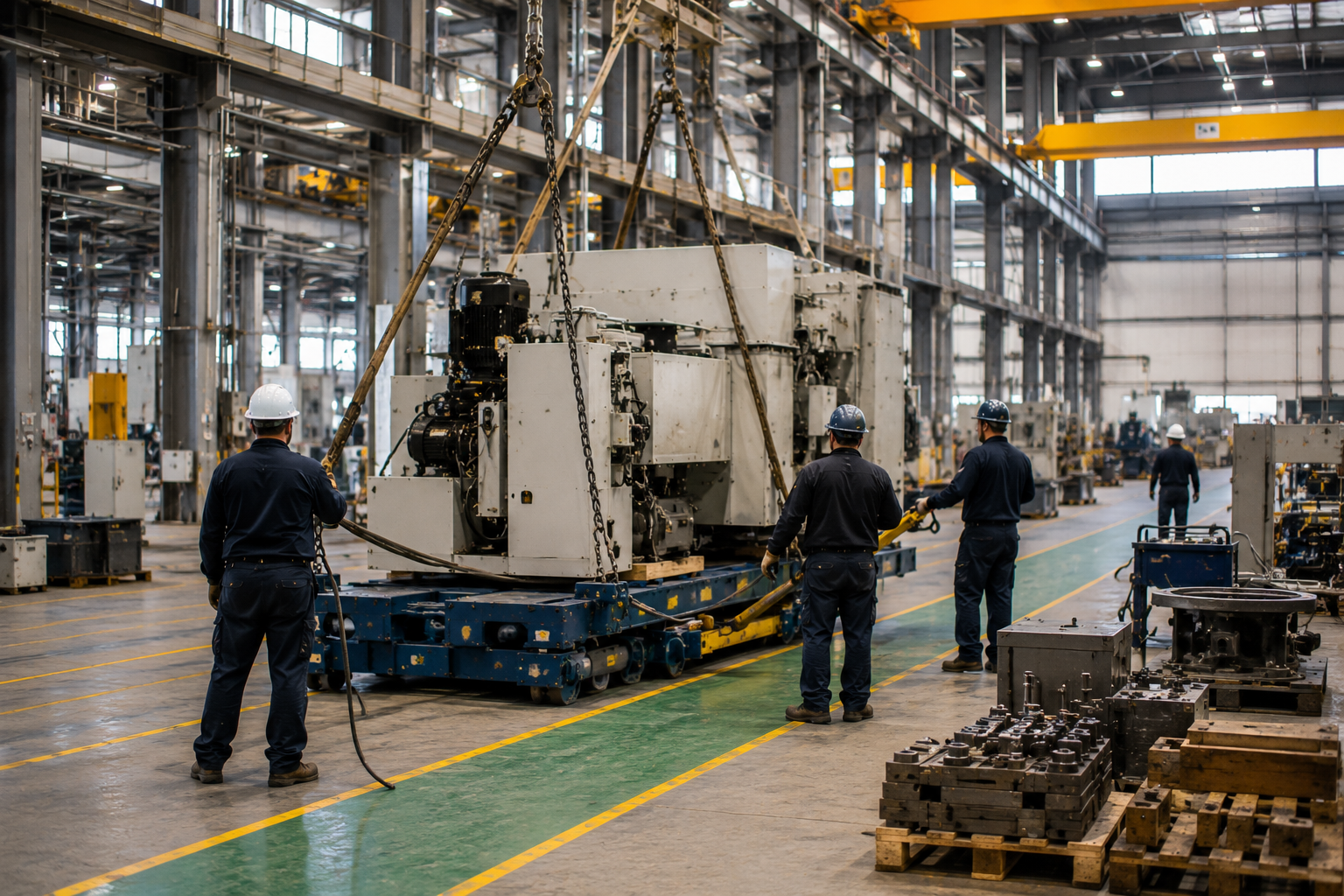
Fabrication involves inherently hazardous processes, including welding, cutting, and heavy material handling. A partner committed to workplace safety and regulatory compliance minimizes risks to personnel and equipment. Safety-conscious practices, proper training, and adherence to OSHA or local regulations demonstrate professionalism and accountability.
Dependable Partner for Complex Industrial Fabrication Projects
Choosing the right metal fabrication partner involves evaluating technical capabilities, quality standards, experience, communication practices, cost, and sustainability initiatives. Industrial projects require a combination of precision, reliability, and flexibility, making the selection of a trusted fabricator essential. By focusing on these critical factors, project managers and engineers can reduce operational risks, ensure compliance, and achieve superior outcomes that support long-term business goals.
At U.S. Contractors Inc., located in Hattiesburg, Mississippi, extensive experience in metal fabrication ensures dependable results across diverse industrial projects. With Several
years in the field, expertise spans advanced cutting, welding, and finishing techniques that meet rigorous quality standards. Committed to transparent pricing, efficient scheduling, and collaborative project management, we provide actionable solutions that support operational efficiency and long-term reliability. Our focus on innovation, sustainability, and safety enables seamless project execution from design to delivery. Trust U.S. Contractors Inc.
for precise, durable, and expertly crafted metal components that elevate industrial projects while delivering confidence and measurable value.