The Basics of Metal Fabrication: Techniques Every Business Owner Should Know
Metal fabrication is a cornerstone of modern industry, underlying everything from construction and automotive manufacturing to custom machinery and architectural design. Its influence stretches across countless sectors, providing businesses with the structural integrity and precision necessary to produce functional and aesthetically pleasing products. For business owners, having a foundational understanding of metal fabrication is not just technical curiosity—it’s a strategic advantage. Knowing the methods and limitations of working with metal can inform smarter decisions when sourcing materials, commissioning work, or evaluating vendor proposals.
The process of metal fabrication encompasses cutting, shaping, joining, and finishing raw metals into usable components or finished products. Each step requires careful planning, specialized techniques, and precise execution. By grasping the basics, business owners can identify the right fabrication methods for their specific needs, anticipate challenges, and improve efficiency in production workflows. Additionally, familiarity with metal fabrication techniques helps in assessing quality, reducing material waste, and ensuring compliance with industry standards. In a competitive marketplace, this knowledge positions business leaders to make informed, cost-effective decisions while maintaining high product standards. Understanding the core techniques of metal fabrication is not just practical—it is essential for staying competitive and making strategic investments in production capabilities.
Core Metal Fabrication Processes
Cutting Techniques
Cutting is the first step in transforming raw metal into usable components. There are several methods employed, each suitable for different types and thicknesses of metal:
- Mechanical Cutting: Using saws, shears, or shearing machines, mechanical cutting is ideal for straight cuts and thin metals. For example, a sheet metal shop may rely on guillotine shears for precise ¼-inch aluminum sheets.
- Laser Cutting: Laser cutting offers high precision and smooth edges for complex shapes. Businesses producing intricate metal signage or automotive components benefit from this method due to minimal post-processing requirements.
- Plasma and Waterjet Cutting: Plasma cutting is efficient for thick steel plates, while waterjet cutting provides versatility across metals without introducing heat-induced warping.
Best Practices:
Always select the cutting method based on metal type, thickness, and design complexity. Implement protective measures to prevent operator injury and material distortion.
Shaping Techniques
Shaping, or forming, alters the geometry of metal without removing material. Common approaches include:
- Bending: Sheet metal is bent using press brakes to create angles or curves. Precision is key to avoid cracks in metals like stainless steel.
- Rolling: Rolling machines convert flat sheets into cylindrical or conical shapes, essential for pipes, tanks, or structural components.
- Stamping: Stamping uses dies to form metals quickly and consistently, suitable for mass production like automotive body panels.
Actionable Insight: Understanding material stress limits and spring-back effects ensures parts meet design specifications after shaping.
Joining Metal Components
Welding Techniques
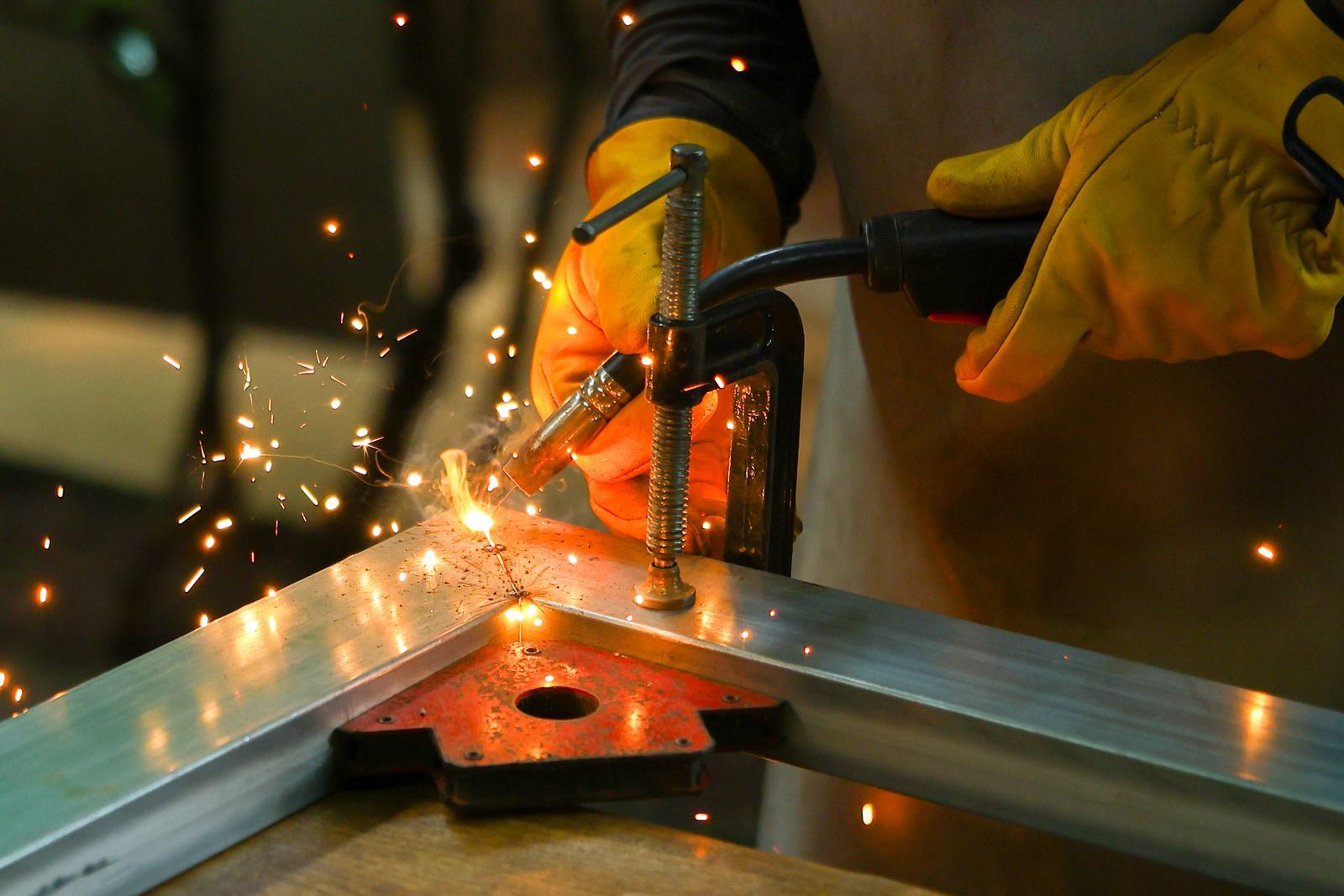
Welding fuses metal parts, creating permanent and structurally sound joints. Business owners should recognize common methods:
- MIG (Metal Inert Gas) Welding: Ideal for rapid production and thicker materials. It’s widely used in automotive and construction applications.
- TIG (Tungsten Inert Gas) Welding: Offers precision and is perfect for thin metals and high-quality finishes, such as in aerospace or custom fabrication.
- Stick Welding: Versatile and suitable for outdoor or repair work, stick welding handles rusty or dirty metals better than MIG or TIG.
Challenges: Welding requires skilled operators and stringent safety protocols, including eye protection and ventilation.
Mechanical Fastening
Sometimes welding isn’t practical. Mechanical fasteners, such as bolts, rivets, and screws, provide removable joints:
- Bolting: Allows for assembly and disassembly, common in structural steel frameworks.
- Riveting: Historically used in bridges and aircraft, modern rivets ensure high-strength permanent joints in accessible areas.
Expert Tip:
Choose the fastening method based on load requirements, accessibility for maintenance, and environmental exposure.
Surface Treatment and Finishing
Importance of Finishing
Finishing enhances durability, corrosion resistance, and aesthetics. Without proper treatment, metals can oxidize, weaken, or become unsafe for long-term use.
Common Finishing Methods
- Powder Coating: Provides a uniform, durable, and visually appealing finish for metal furniture, outdoor fixtures, and machinery.
- Galvanization: Coating steel with zinc protects it from rust, ideal for outdoor structures and piping.
- Polishing and Buffing: Critical for stainless steel and aluminum products in medical, food, or decorative industries.
Actionable Advice: Align finishing methods with environmental conditions and product use. For example, marine applications demand corrosion-resistant coatings like powder coating or galvanization.
CNC and Automation in Fabrication
CNC Machining Advantages
Computer Numerical Control (CNC) technology has revolutionized metal fabrication by enabling precise, repeatable, and complex cuts or shapes. CNC machines follow programmed instructions to cut, drill, or mill metals with minimal human error.
- Precision: Tolerances as tight as 0.001 inches are achievable.
- Efficiency: Multiple components can be produced simultaneously, reducing labor costs.
- Versatility: CNC can handle metals like aluminum, steel, brass, and titanium.
Example: A manufacturing business producing aerospace brackets can use CNC milling to maintain tight tolerances while reducing production time.
Automation and Robotics
Automation extends beyond CNC machining. Robotic arms are increasingly used for welding, material handling, and assembly. Key benefits include:
- Consistency: Robots perform repetitive tasks with minimal variation.
- Safety: Hazardous processes like welding or plasma cutting are handled remotely.
- Productivity: 24/7 operation without fatigue improves throughput and reduces downtime.
Best Practice: Integrating automation requires upfront investment but offers significant long-term efficiency and quality improvements.
Material Selection and Considerations
Choosing the Right Metal
Different metals offer varied properties, costs, and fabrication requirements. Common choices include:
- Steel: High strength and versatility; suited for structural and load-bearing applications.
- Aluminum: Lightweight, corrosion-resistant, ideal for automotive, aerospace, and marine industries.
- Copper and Brass: Excellent for electrical conductivity and decorative finishes.
Material Challenges
Each metal has unique fabrication constraints:
- Steel can warp during welding if not properly supported.
- Aluminum requires careful heat management to avoid softening.
- Copper is soft and can deform under stress, making joining techniques like soldering or brazing more suitable.
Actionable Insight: Understanding material behavior helps prevent production errors, reduces scrap rates, and ensures project timelines remain on schedule.
Safety, Compliance, and Best Practices
Workplace Safety in Fabrication
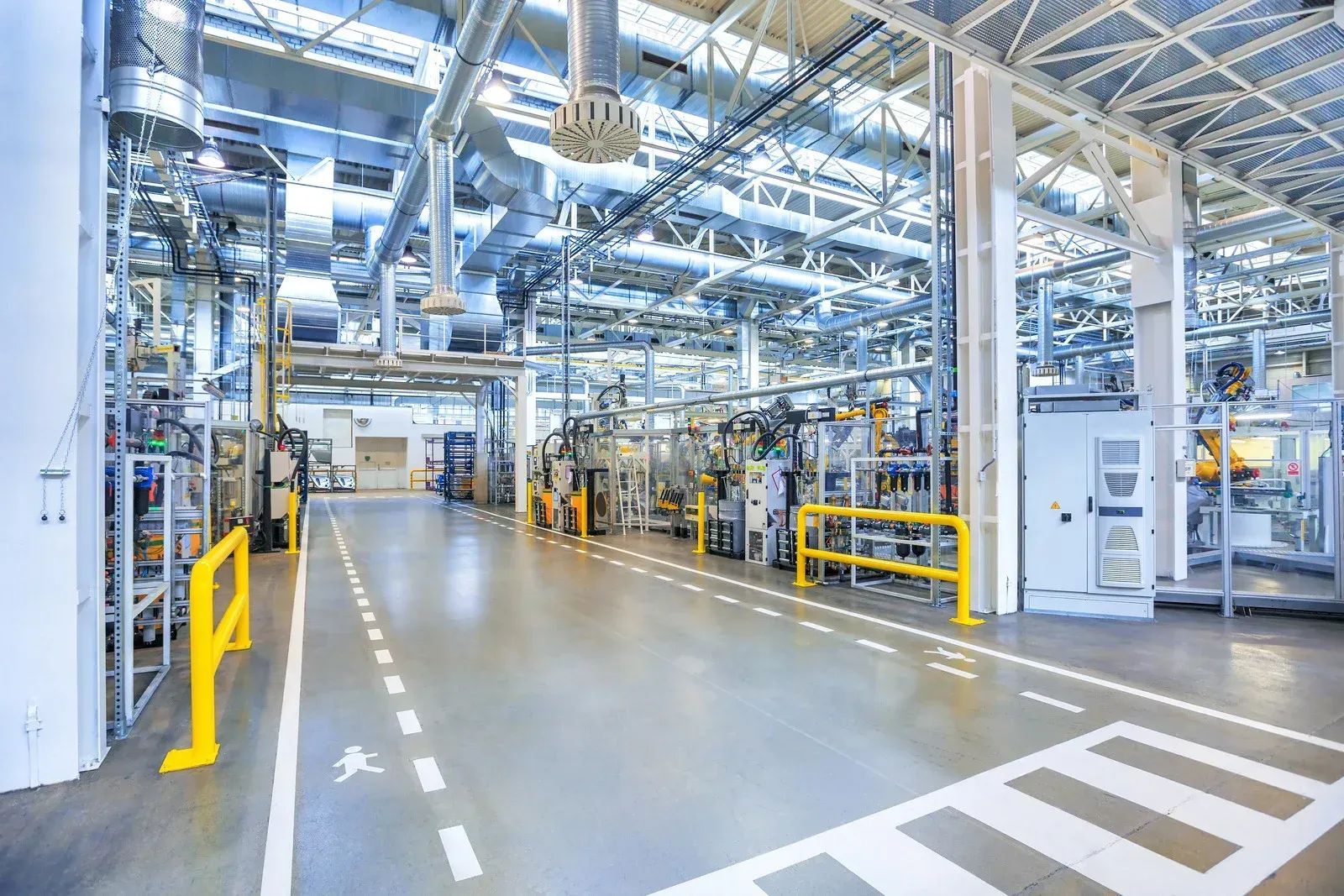
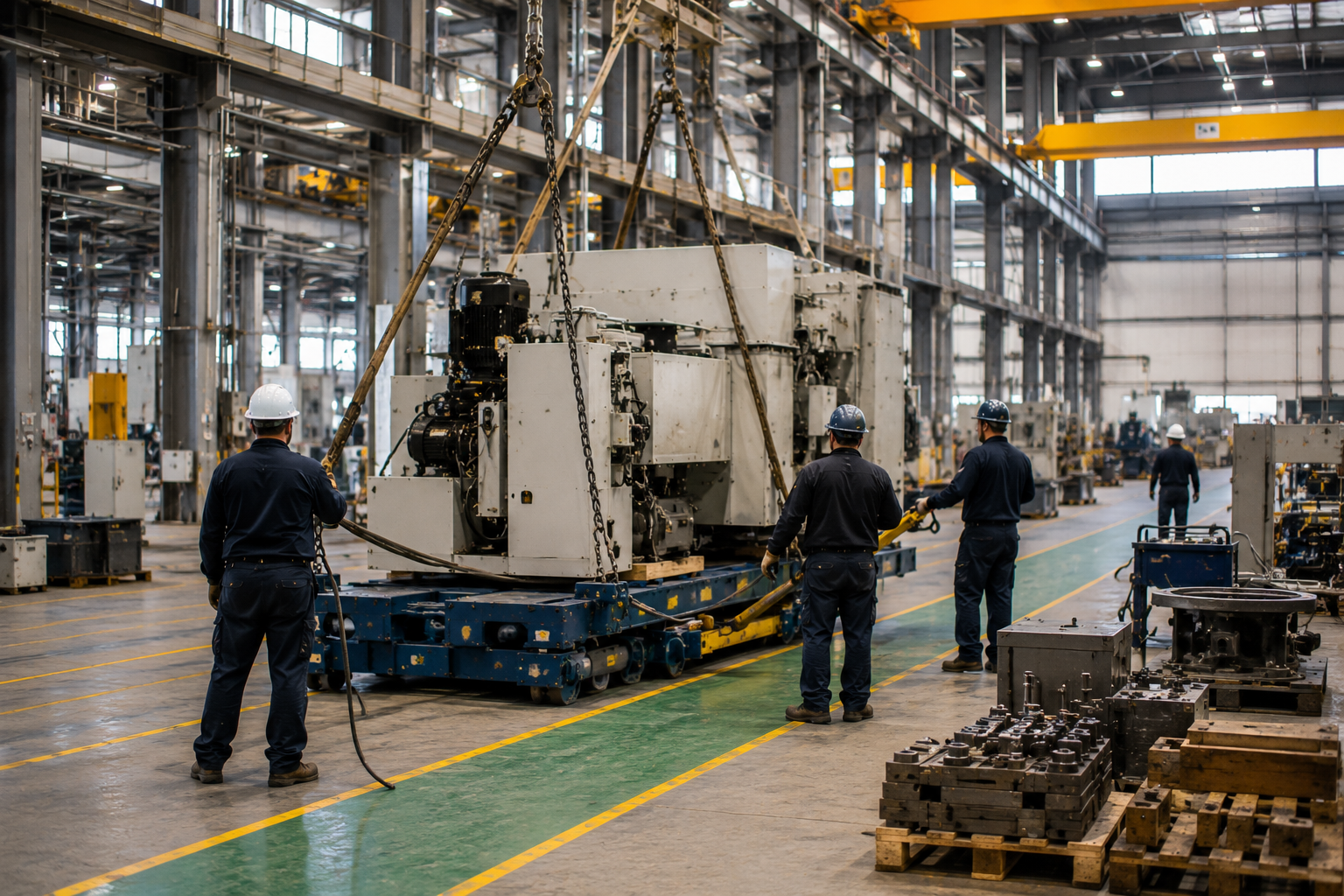
Metal fabrication involves sharp edges, heavy machinery, and high temperatures. Implementing safety protocols is essential:
- Personal Protective Equipment (PPE): Gloves, eye protection, welding helmets, and steel-toed boots.
- Ventilation and Dust Control: Proper fume extraction prevents respiratory hazards, particularly during welding or cutting.
- Training: Skilled operators reduce accidents and maintain high-quality output.
Regulatory Compliance
Fabrication businesses must adhere to local, state, and federal regulations:
- OSHA Standards: Cover safe machine operation, material handling, and workplace ergonomics.
- Environmental Regulations: Ensure proper disposal of metal shavings, chemicals, and coatings.
Expert Tip: Maintaining compliance avoids legal issues and positions a business as a responsible, professional operator.
Optimizing Efficiency and Quality
- Planning and Layout: Streamlined workflows reduce material handling and errors.
- Preventive Maintenance: Regularly servicing machines prevents downtime and maintains precision.
- Quality Control: Inspection at every stage, from raw material to finished product, ensures consistent results.
Example: A business fabricating metal furniture can implement a check system for weld integrity, dimensional accuracy, and coating consistency to maintain high customer satisfaction.
Real-World Applications for Business Owners
Construction and Infrastructure
Metal fabrication is essential in constructing commercial buildings, bridges, and structural frameworks. Knowledge of fabrication techniques enables business owners to evaluate contractors’ proposals and understand load-bearing capacities.
Manufacturing and Custom Projects
From automotive components to industrial machinery, fabrication techniques determine product quality, durability, and functionality. Awareness of methods like CNC machining, welding, and finishing allows businesses to plan custom production efficiently.
Maintenance and Repair
Metal components often require repair or modification. Understanding fabrication basics helps businesses make informed decisions on repair versus replacement, saving costs and minimizing downtime.
Actionable Insight:
Even if a business does not operate a fabrication shop, understanding techniques and terminology strengthens communication with vendors and service providers.
Expert Insights Every Business Owner Should Remember
- Invest in Quality: High-quality materials and fabrication methods reduce long-term maintenance costs.
- Know Your Limits: Some fabrication processes require specialized expertise. Recognize when to outsource.
- Plan for Precision: Design tolerances and material behavior must align with the fabrication method.
- Prioritize Safety: Proper protocols protect employees and preserve operational efficiency
Trusted Metal Fabrication Solutions by Industry Experts
Understanding metal fabrication equips business owners with the tools to make informed decisions, enhance product quality, and optimize operational efficiency. By grasping techniques such as cutting, shaping, welding, and finishing, leaders can reduce errors, minimize waste, and ensure that projects meet both functional and aesthetic requirements. Awareness of automation, CNC capabilities, and material properties further strengthens decision-making, making it easier to choose the right partners and suppliers for any fabrication need. Safety, compliance, and best practices remain central to sustaining a productive and legally sound operation, while knowledge of real-world applications allows for strategic planning and cost management.
For businesses in need of
expert fabrication services, U.S. Contractors Inc.
in Hattiesburg, Mississippi, stands out as a trusted partner. With Several
years of experience, the company combines technical expertise with dependable service, delivering high-quality metal fabrication solutions across diverse industries. Their team is committed to precision, efficiency, and safety, ensuring each project meets rigorous standards. Whether it’s structural components, custom metalwork, or repair and maintenance services, we provide reliable guidance and execution. Business owners can confidently rely on their expertise, local knowledge, and professional approach to achieve durable, cost-effective, and expertly fabricated results. Partnering with an experienced fabricator like U.S. Contractors Inc.
ensures projects are completed on time, within budget, and to the highest industry standards, reinforcing your operational success.