How Industrial Engineering Can Streamline Manufacturing Operations
In today’s competitive manufacturing landscape, efficiency is no longer optional; it is essential. The need for optimized processes, reduced waste, and enhanced productivity has placed industrial engineering at the forefront of operational improvement. Manufacturers face constant pressure to deliver high-quality products at lower costs while meeting tight deadlines and adapting to rapidly evolving market demands. Industrial engineering offers a structured approach to addressing these challenges, combining analytical methods, systems thinking, and practical problem-solving techniques to streamline operations and maximize value.
By integrating industrial engineering principles, manufacturers can achieve measurable improvements across production lines, supply chains, and organizational workflows. From layout optimization to process standardization, industrial engineering provides the tools to reduce bottlenecks, eliminate inefficiencies, and improve overall throughput. Its relevance extends beyond mere cost savings; it enhances product quality, workforce utilization, and responsiveness to customer needs. Understanding how industrial engineering applies to manufacturing operations equips decision-makers with actionable strategies to drive growth, minimize risk, and maintain a competitive edge in a fast-paced industry where operational excellence defines success.
1. Process Optimization: Enhancing Efficiency
Workflow Analysis
A core function of industrial engineering is evaluating workflows to pinpoint inefficiencies and redundancies. Mapping every step of production highlights delays, unnecessary movement, or wasted resources. Utilizing tools such as time-motion studies, value stream mapping, and process simulation allows precise measurement of workflow performance. This provides actionable, data-driven insights to improve operations, optimize tasks, and streamline productivity effectively.
Lean Manufacturing Principles
Lean manufacturing focuses on eliminating waste while preserving value-added activities. Industrial engineering applies lean methods such as 5S, Kaizen, and Just-In-Time inventory management to enhance efficiency. For example, reorganizing workstations through 5S reduces time spent searching tools, increasing productivity. Manufacturers adopting lean principles often achieve faster cycle times, lower inventory costs, and better product quality consistently across production lines.
Continuous Improvement Strategies
Continuous improvement ensures processes evolve constantly, integrating feedback loops and performance metrics. Industrial engineering supports using KPIs to track production efficiency, downtime, and throughput. Applying structured improvement initiatives keeps operations adaptable to market changes, technological advancements, and customer requirements. By emphasizing systematic refinement, manufacturing systems become resilient, responsive, and more capable of sustaining operational efficiency under dynamic business and industry conditions.
2. Facility Layout and Space Utilization
Effective Layout Design
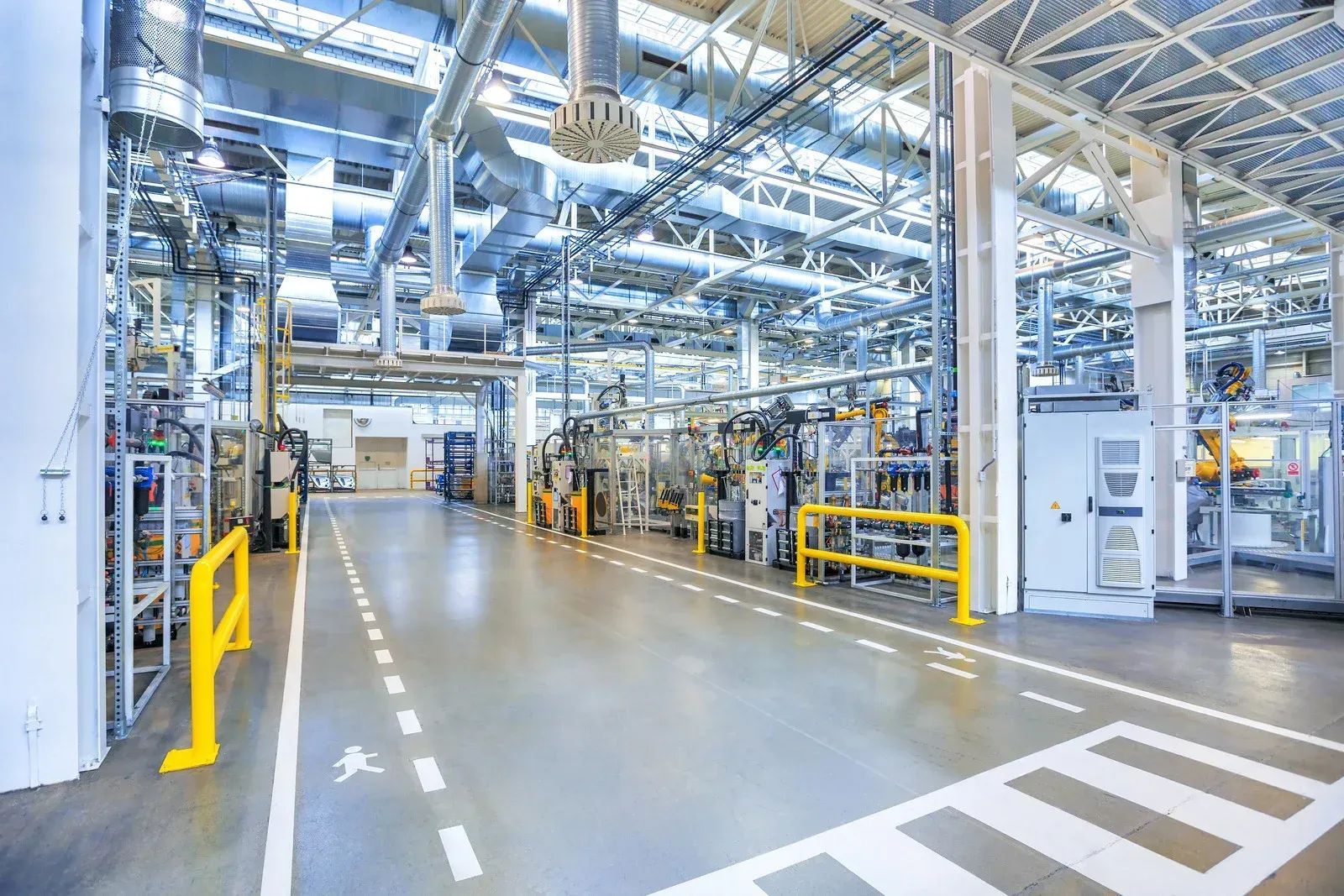
Optimizing facility layout significantly impacts productivity and workflow efficiency. Industrial engineering evaluates equipment placement, material handling paths, and workstation arrangements to reduce unnecessary movement and shorten lead times. Ergonomic principles ensure worker safety and minimize fatigue. Proper layout design supports higher efficiency, smoother production, and better overall performance, creating a work environment that enables employees to operate consistently and productively.
Material Flow Optimization
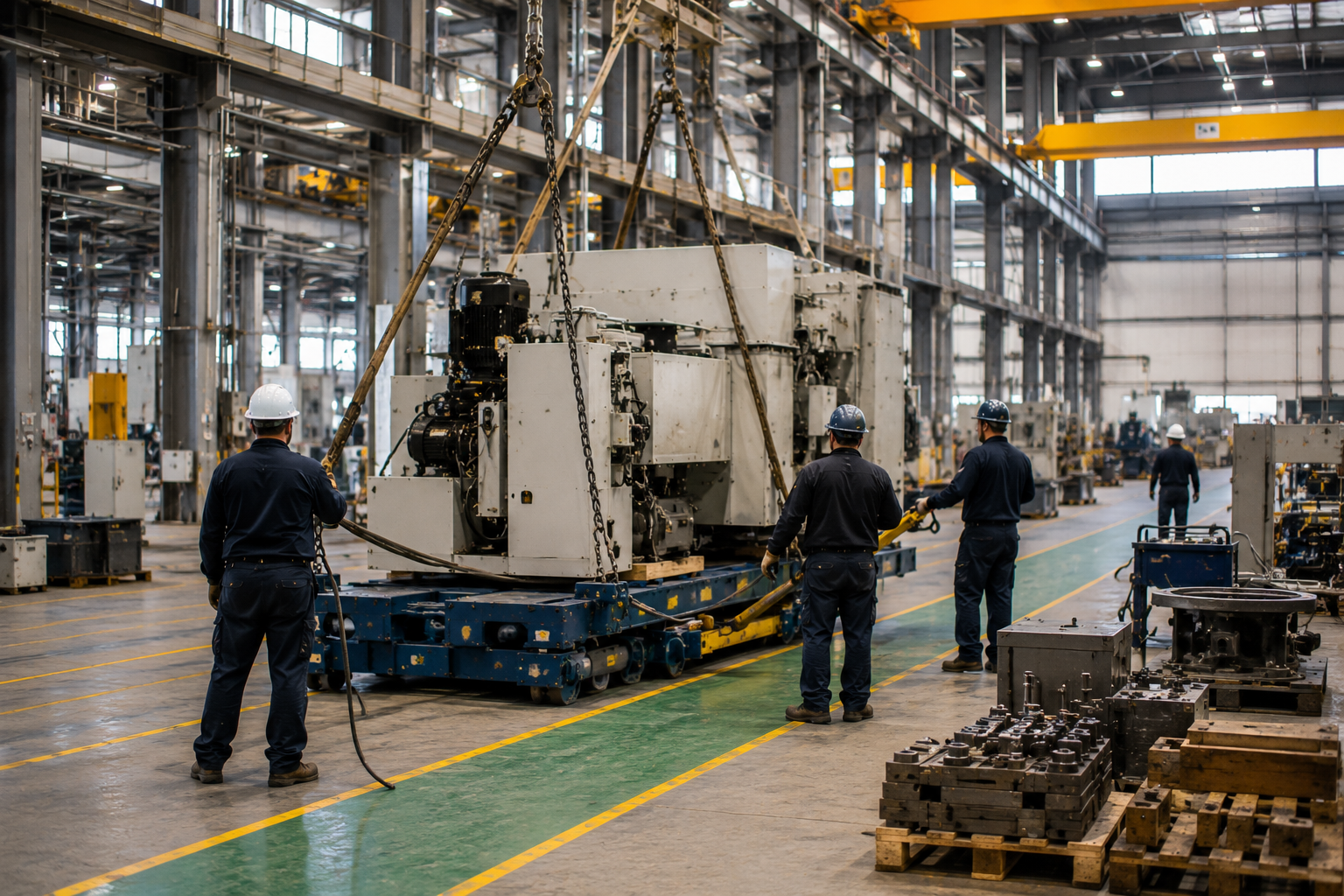
Efficient material handling is essential for smooth manufacturing operations. Industrial engineers study both internal production flows and supply chain logistics to ensure timely movement of raw materials and finished products. Tools like process flow diagrams and simulation modeling optimize routing, reduce congestion, and shorten transit times. Proper material flow decreases handling costs, accelerates production cycles, and prevents operational bottlenecks within manufacturing facilities effectively.
Space Management Best Practices
Maximizing facility space improves operational performance and workflow efficiency. Industrial engineering applies strategies such as vertical storage, modular racking, and lean inventory placement to utilize available space optimally. Strategic planning prevents storage or equipment from impeding movement, ensuring workstations remain accessible. This allows faster assembly, inspection, and shipping processes while maintaining safety, organization, and operational efficiency within manufacturing facilities consistently.
3. Workforce Productivity and Ergonomics
Time and Motion Studies
Industrial engineering increases workforce productivity by analyzing tasks and work methods. Time and motion studies quantify how long each activity takes, identifying areas for improvement. Optimizing task allocation, balancing workloads, and reducing unnecessary effort improves efficiency without compromising quality. Applying these studies consistently enhances overall performance, minimizes fatigue, and ensures employees complete tasks faster, improving both productivity and operational effectiveness across manufacturing lines.
Ergonomic Design
Integrating ergonomics enhances worker safety, efficiency, and overall productivity. Industrial engineering considers workstation design, tool selection, and task sequencing to minimize strain. Solutions like adjustable workbenches, anti-fatigue mats, and properly positioned tools reduce physical stress. Improved ergonomics leads to higher employee satisfaction, fewer injuries, and more consistent output. Optimizing the physical work environment directly supports smoother operations and enhanced manufacturing efficiency.
Training and Skill Development
A skilled workforce is essential for operational consistency and reliability. Industrial engineering promotes structured training, standard operating procedures, and cross-functional skill development to strengthen employee performance. Workers equipped with proper skills complete tasks efficiently, reduce error rates, and maintain consistent quality. Regular training enhances adaptability to changing technologies, processes, and production demands, ensuring that operations remain productive, safe, and aligned with organizational goals effectively.
4. Technology Integration and Automation
Industrial Automation Systems
Automation is a key driver of manufacturing efficiency. Industrial engineering identifies repetitive or labor-intensive processes suitable for automation, including assembly, inspection, and material handling. Implementing robotics, automated guided vehicles, and programmable logic controllers reduces cycle times and increases precision. Automation ensures consistency and scalability, allowing facilities to meet production targets while maintaining quality standards, reducing labor strain, and improving operational performance across manufacturing workflows efficiently.
Data Analytics and Process Monitoring
Industrial engineering leverages real-time data collection and analytics to monitor production performance. Sensors, IoT devices, and manufacturing execution systems capture operational metrics like machine utilization, downtime, and quality. Predictive analytics enables proactive maintenance and early bottleneck detection. By continuously analyzing production data, operations can reduce unplanned downtime, optimize performance, and achieve higher reliability and efficiency throughout the manufacturing process consistently.
Integration of Smart Manufacturing
Smart manufacturing combines industrial engineering with advanced technologies like AI and machine learning. This approach enables adaptive scheduling, energy-efficient operations, and supply chain optimization. Industrial engineering ensures processes align with these systems for maximum efficiency. Manufacturers using smart solutions experience cost reductions, faster delivery, improved product quality, and higher customer satisfaction. Integrating technology strengthens operational agility, responsiveness, and overall manufacturing performance consistently.
5. Quality Control and Risk Management
Statistical Process Control
Maintaining product quality is a critical aspect of manufacturing competitiveness. Industrial engineering applies statistical process control (SPC) to monitor variations and detect defects early. Tools like control charts, sampling methods, and process capability analysis ensure products meet specifications. Applying SPC minimizes scrap, reduces rework, and prevents warranty claims, supporting consistent quality and operational reliability throughout the manufacturing process effectively and efficiently.
Root Cause Analysis
When inefficiencies or defects occur, industrial engineering implements root cause analysis to identify underlying problems. Methods like the 5 Whys, fishbone diagrams, and failure mode effects analysis provide structured approaches to corrective actions. Addressing root causes instead of temporary fixes ensures long-term process improvement. This approach strengthens quality control, reduces recurring issues, and enhances operational consistency and reliability across manufacturing operations efficiently.
Risk Mitigation Strategies
Industrial engineering emphasizes identifying and mitigating operational risks proactively. Potential process failures, supply chain disruptions, and safety hazards are assessed and addressed systematically. Preventive maintenance, redundancy measures, and contingency planning help avoid unplanned downtime. Proactively managing risks ensures smoother workflows, protects productivity, and safeguards operational continuity, supporting manufacturing processes that are reliable, resilient, and capable of sustaining high performance consistently over time.
6. Supply Chain Coordination and Inventory Management
Efficient Inventory Control
Effective inventory management is vital for streamlined manufacturing operations. Industrial engineering uses forecasting, reorder point calculations, and economic order quantity models to optimize inventory levels. Maintaining the proper balance between raw materials and finished goods reduces storage costs and prevents delays. Efficient inventory control ensures operations remain uninterrupted, production schedules are met, and resource utilization is optimized, contributing to overall manufacturing efficiency consistently.
Supplier Collaboration
Coordinating with suppliers ensures uninterrupted manufacturing and smooth operations. Industrial engineering emphasizes communication, standardized ordering, and supplier performance monitoring. Collaboration with suppliers reduces lead times, enhances delivery reliability, and supports lean manufacturing practices like just-in-time delivery. Strong supplier relationships enable better production planning, minimize material shortages, and strengthen operational efficiency, allowing manufacturers to maintain consistent quality, speed, and productivity throughout their supply chains effectively.
Logistics and Distribution Optimization
Streamlined logistics and distribution ensure materials and finished products move efficiently. Industrial engineering evaluates transportation modes, route planning, and warehouse operations to reduce costs and delivery times. Network optimization models and logistics analytics enable faster distribution while minimizing inefficiencies. Optimizing logistics improves supply chain resilience, ensures timely delivery, and supports continuous production, helping manufacturing facilities maintain high operational performance and meet customer demands consistently.
Trusted Industry Leaders Streamlining Production Through Engineering Expertise
Industrial engineering serves as a powerful framework for improving manufacturing operations, offering structured approaches to process optimization, facility layout, workforce productivity, technology integration, quality assurance, and supply chain coordination. By systematically analyzing workflows, leveraging data-driven insights, and adopting continuous improvement practices, manufacturers can achieve measurable efficiency gains, cost reductions, and enhanced product quality. Operational excellence is attainable when engineering principles are applied strategically, addressing both immediate challenges and long-term goals.
At U.S. Contractors Inc., a trusted fabricator based in Hattiesburg, Mississippi, with Several
years of experience in industrial processes, our extensive expertise enables us to implement these principles effectively. Our capabilities ensure streamlined operations, from initial design to final fabrication, delivering high-quality results while maintaining efficiency and cost-effectiveness. By integrating industrial engineering concepts into daily workflows, we help clients optimize production, reduce waste, and enhance overall operational performance. With a commitment to precision, reliability, and client-focused solutions, U.S. Contractors Inc.
remains a proven authority in driving manufacturing success.